
When something changes with our vision, we tend to notice. Words become harder to read. Objects look blurry. Maybe driving at night suddenly feels more difficult.
When it comes to eye health, symptoms can be a lagging indicator. Some eye diseases can develop slowly without causing noticeable warning signs. By the time a person realizes something is wrong, damage may have already occurred, and for some conditions, vision loss is permanent.¹ While early detection can’t always reverse existing damage, it can create an opportunity to begin treatment sooner, helping slow or stop further vision loss.¹
That’s why routine eye exams can matter even when everything seems perfectly clear. For employers and benefits professionals, that makes preventive vision care an important part of helping employees protect their long-term eye health, not simply a benefit to use when their vision changes.
What you can’t see can still affect your sight
Glaucoma is a good example. The disease often has no early symptoms, and as many as half of people with glaucoma don’t know they have it.¹ Over time, glaucoma can gradually cause peripheral vision loss that may be difficult to notice at first.² Once vision is lost from glaucoma, it can’t be restored. But detecting and treating the disease early can help stop further damage and protect remaining vision.
Diabetic retinopathy can also develop without obvious symptoms in its early stages. The condition affects blood vessels in the retina and can lead to vision loss and blindness in people with diabetes. Finding diabetic retinopathy early can provide an opportunity to take steps to protect vision, while early treatment can help prevent the condition from getting worse.³
That’s why waiting for symptoms can be risky. By the time you see the signs, the opportunity to prevent some of the damage may have already passed.
An eye exam looks beyond how well you can see
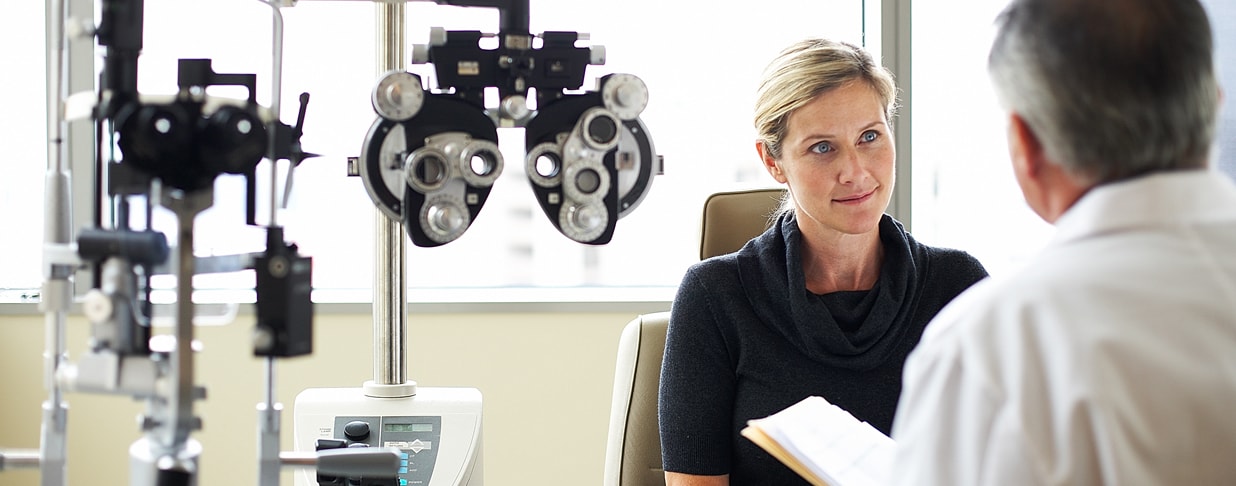
A comprehensive eye exam evaluates more than whether someone needs glasses or contact lenses. Eye care professionals can examine structures inside the eye and look for signs of eye disease that may not yet be causing symptoms. The eye also provides an unobstructed view of blood vessels, nerves and connecting tissue, creating an opportunity to identify signs associated with eye disease and, in some cases, broader health conditions.⁴
Turning early detection into a benefits opportunity
The impact of vision loss can extend well beyond eyesight. It has been linked with challenges including falls, difficulty driving and cognitive decline, as well as impacts on mental health and quality of life.⁵ Eye disease can affect the workplace, too. A recent study found that glaucoma can significantly affect workplace functioning, leading to missed days and reduced productivity.⁶
But offering access to vision care is only part of the equation. Employees also need to understand why using their benefits proactively matters.
That education may make a difference. In a 2025 survey, 86% of Americans said they were more likely to schedule an eye exam after understanding how eye exams can help detect serious medical conditions.⁷ Yet another survey found that 31% of employees claimed eye health had been discussed rarely or even just once in their workplace by HR, a supervisor or communications team.⁸
Employers can help close that gap by positioning routine eye exams as part of preventive care — encouraging employees to use their vision benefits before a noticeable problem gives them a reason to make an appointment.
Don’t wait until something looks wrong
Helping employees understand the value of preventive care can turn access to vision care into action. And when certain types of vision loss can’t be reversed, acting sooner can make a meaningful difference in protecting sight.
Because when it comes to protecting sight, the best time to act may be before you see the signs.
Want to learn more about EyeMed vision benefits or request a quote? Speak with your EyeMed rep. Or visit, eyemed.com.
*****
- “Glaucoma Awareness Month”; National Eye Institute; nei.nih.gov; Last updated January 6, 2026.
- “Glaucoma”; National Eye Institute; nei.nih.gov; accessed September 2026.
- “Diabetic Retinopathy”; National Eye Institute; nei.nih.gov; Last updated September 11, 2025.
- “Your Eyes Could Be the Windows to Your Health”; American Academy of Ophthalmology; aao.org; April 21, 2025.
- “Why Vision Loss Is a Public Health Problem” and “About Vision Loss and Mental Health”; Centers for Disease Control and Prevention; cdc.gov; May 15, 2024.
- “Detrimental impact on work productivity in patients with glaucoma: a systematic review”; JFO Open Ophthalmology; December 2024.
- “Survey finds majority of US patients delaying eye care despite experiencing poor eyesight, eye health”; Optometry Times; optometrytimes.com; July 29, 2025.
- “2025 Transitions Workplace Wellness Survey”; Transitions Optical; conducted by Wakefield Research among 1,000 nationally representative U.S. office professionals employed full-time; August 13–19, 2025.