
Vision needs don't stay the same throughout life. From early childhood through retirement, our eyes continually change, bringing new opportunities to protect sight, detect potential health concerns and improve quality of life.
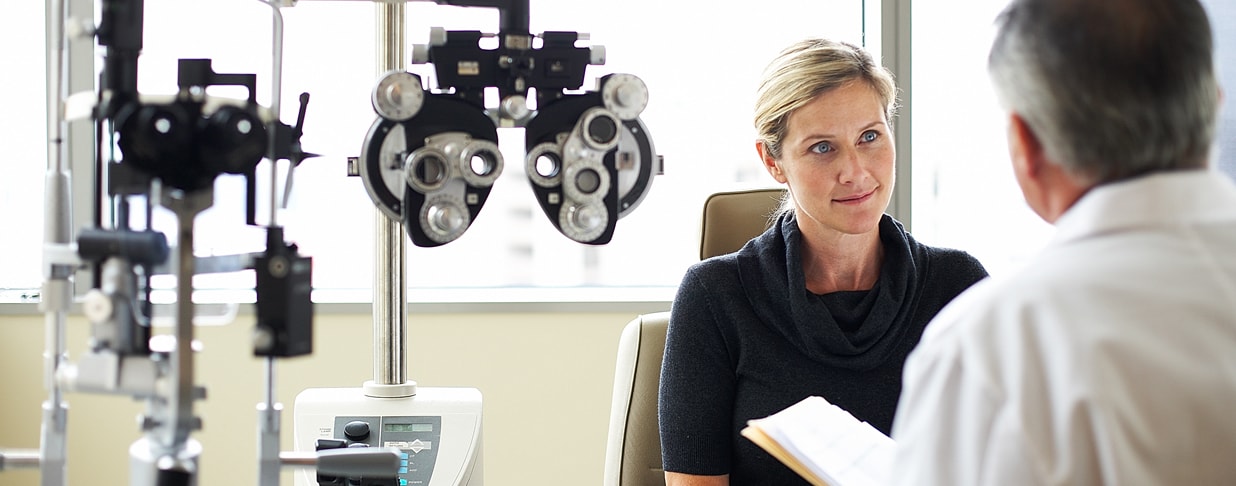
For employers, that means vision benefits shouldn't simply help employees purchase glasses, they should encourage preventive care and provide access to solutions that meet evolving vision needs. Annual comprehensive eye exams help identify vision changes early and connect employees and their families with the right treatments and technologies for every stage of life.1
Early eye exams lay the foundation for lifelong vision
Healthy vision begins long before a child enters the classroom. Routine eye exams can identify vision problems before they interfere with learning and development, while also establishing a baseline for future eye health.2
"Children should begin eye exams as early as six months of age," said Dr. Rashad Haddad, LensCrafters Optometrist. "Nearsightedness has become more prevalent, and around age 5, it is important to detect issues like myopia, which can be managed with solutions like Stellest lenses.3
Myopia, or nearsightedness, is becoming increasingly common among children worldwide. When left unmanaged, it can increase the risk of developing more serious eye conditions later in life. Early detection through routine eye exams allows eye care professionals to recommend management strategies before vision changes progress.4
For employers, comprehensive vision benefits that include dependents can help working parents access preventive care for their families while promoting children's long-term visual development.
Protecting vision in the modern workplace
As employees move through different stages of life, their vision demands often change. Digital devices, hybrid work environments and increased screen time place new demands on the eyes, while annual comprehensive eye exams help ensure prescriptions remain current and eye health stays on track.1
Even employees who believe they see clearly can benefit from routine exams. Comprehensive eye exams evaluate more than visual acuity, they can also identify early signs of eye diseases and, in some cases, reveal indicators of broader health conditions before symptoms become noticeable.1
Encouraging preventive vision care helps employees stay productive, comfortable and confident both inside and outside the workplace.
Midlife brings new vision challenges
For many adults, one of the first noticeable vision changes occurs during their 40s.
"In our 40s, every adult will experience presbyopia, where progressive lenses can help provide seamless vision at all distances," said Dr. Haddad.
As near vision naturally declines, many adults find themselves holding reading materials farther away or struggling to shift focus between digital devices and distant objects. Progressive lens technologies such as Varilux®3 can provide a smooth transition between near, intermediate and distance vision, helping wearers navigate everyday tasks with greater ease.6
Regular eye exams ensure these changes are identified early so employees can access solutions that fit their lifestyles and help maintain productivity throughout the workday.
Innovation is expanding what employees expect from vision benefits
While employees' vision needs naturally evolve with age, advancements in technology are also reshaping expectations for vision care.
Thoughts from EyeMed's Chief Commercial Officer, Jason Rome:
“Innovation in wearable technology is redefining what employees expect from vision benefits. As smart glasses and hearing-enabled frames become part of everyday work and life, employees want benefits that go beyond basic vision correction to support quality of life and access to new technology. Vision plans that help offset the higher cost of these advanced frames make adoption more attainable and remove barriers to care. For employers, keeping vision benefits aligned with these innovations signals a future-ready mindset, supports whole-person well-being, and provides a competitive edge in attracting and retaining modern, tech-forward talent.”
Innovations such as Nuance Audio™3 illustrate how vision care continues to evolve by combining vision correction with hearing support in a single pair of eyewear. As technologies like these become more mainstream, comprehensive vision benefits can help employees access solutions that address changing lifestyle needs, not just changing prescriptions.
Offering vision benefits that keep pace with innovation demonstrates a commitment to employee well-being while helping organizations remain competitive in today's evolving benefits landscape.
Supporting employees through every stage of life
From helping parents manage childhood myopia to providing solutions for age-related vision changes, comprehensive vision benefits play an important role in fostering lifelong eye health.5 As innovation continues to reshape vision care, benefits that expand access to emerging technologies can help employees take advantage of new solutions as they become available.
By encouraging regular comprehensive eye exams and providing access to modern vision care, employers can help employees and their families protect their vision, improve their quality of life and prepare for whatever comes next.
Want to learn more about EyeMed vision benefits or request a quote? Speak with your EyeMed rep. Or visit, eyemed.com.
*****
- “See the full picture of your health with an annual comprehensive eye exam”; American Optometric Association; aoa.org; accessed July 2026.
- “When children can't see far”; American Optometric Association; aoa.org; accessed July 2026.
- LensCrafters, Stellest, Varilux, Nuance Audio and EyeMed are owned by the same ultimate parent company, EssilorLuxottica.
- “Myopia (Nearsightedness)”; American Optometric Association; aoa.org; accessed July 2026.
- "Presbyopia"; National Eye Institute; nei.nih.gov; Last updated December 4, 2024.
- "Refractive Errors"; National Eye Institute; nei.nih.gov; Last updated December 4, 2024.