
The modern workforce now spans 5 generations. It's never happened before, and it presents this challenge: How can brokers and employers design vision coverage that works for everyone?
Today’s workforce covers nearly 50 years, from Gen Z employees just entering the job market to older adults choosing to work longer. In fact, 1 in 5 Americans age 65 and older is still working.1
That kind of age range changes the conversation around benefits. What works for one group will not necessarily resonate with another. For employers and brokers, it means thinking carefully about how benefits are designed, communicated and ultimately used.
No matter the age or life stage, one thing holds true. Regular eye care matters. Comprehensive eye exams do more than update prescriptions. They can identify early warning signs of more than 270 health conditions, from diabetes, high blood pressure, autoimmune diseases and cancers.2 That makes vision care relevant even for employees who don’t think they need it.
Vision needs evolve with every life stage
Each generation brings its own set of vision challenges and opportunities for engagement.
For early-career employees, screen time drives much of the conversation. Long hours on laptops and phones are leading to digital eye strain, headaches and blurred vision. Many in this group are navigating their first prescription or looking for glasses designed specifically for computer use.
As employees move into their 40s, things begin to shift. Presbyopia becomes more common, making it harder to focus up close. This is when progressive or multifocal lenses often come into play. Without the right coverage, those costs can add up quickly.
Employees with families bring another layer of need. Myopia now affects 42% of children ages 5 to 19, largely tied to increased screen use and less time outdoors. Catching it early matters. Left unmanaged, it can lead to more serious vision issues later in life.3
Later in life, the focus turns to age-related vision conditions such as cataracts, glaucoma and macular degeneration. These typically develop slowly and often without obvious symptoms at first, reinforcing the importance of consistent, accessible vision care.
Plan design and communication to fit all generations
Designing effective vision benefits starts with understanding your workforce. Age mix, family status and job roles provide a clear foundation for building plans that meet employees where they are.
However, even a well-designed plan will not deliver value if people do not engage with it.
That is where communication comes in. Employees are far more likely to use their benefits when they understand how those benefits apply to their own lives. Clear, targeted and personalized messaging, along with simple tools like provider finders and cost calculators, can make the difference between a benefit that exists on paper and one that actually gets used.
Innovation is expanding vision’s value
Emerging eyewear technologies are changing how employees think about vision benefits and expanding their appeal across age groups.
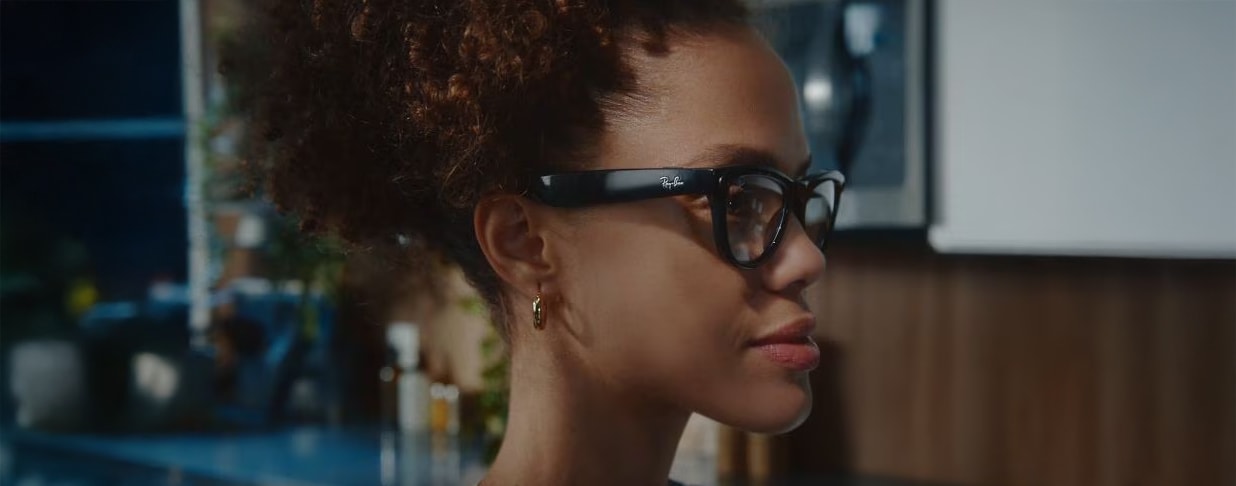
Smart glasses, which integrate audio, cameras and AI in frames, are a good example. Once considered niche, they are quickly becoming more mainstream. The global smart glasses market is expected to sustain a compound annual growth rate of more than 60% through 2029.4
At the same time, hearing-enabled frames are creating new opportunities to engage older employees. These frames offer a more subtle, approachable alternative to traditional hearing aids, helping address mild to moderate hearing loss that often goes untreated. That matters because hearing loss is not just about sound. It is linked to cognitive decline, social isolation and depression.5 Making these solutions easier to access can have a meaningful impact on overall well-being.
Incorporating options like EyeMed’s Sight and Sound™ benefits can help reduce cost barriers and make it easier for employees to take advantage of these newer technologies.
A benefit that meets the moment
With five generations in the workforce, expectations around benefits are only becoming more complex.
Vision benefits stands out because it can meet employees where they are, supporting day-to-day productivity, contributing to long-term health and adapting as needs change over time.
When plan design reflects workforce realities, communication feels personal and technology keeps pace with what employees want, vision benefits become more than just a checkbox. They become something employees actually use and value.
Discover how EyeMed crafts one-of-a-kind benefits to meet the needs of all employees.
Want to learn more about EyeMed vision benefits or request a quote? Speak with your EyeMed rep. Or visit, eyemed.com.
*****
- “Nearly one in five older Americans in the labor force in 2025”; U.S. Bureau of Labor Statistics; bls.gov; May 2026.
- “See the full picture of your health with an annual comprehensive eye exam”; American Optometric Association; aoa.gov; accessed June 2026.
- “When children can’t see far”; American Optometric Association; aoa.gov; accessed June 2026.
- “Global Smart Glasses Shipments Soared 110% YoY in H1 2025, With Meta Capturing Over 70% Share”; Counterpoint Research; counterpointresearch.com; August 12, 2025.
- “Hearing impairment can lead to depression, isolation, dementia”; Penn State Health; pennstatehealthnews,org; January 2024.